
If you’ve experienced the loss of a loved one, you may relate to taking care of the administrative tasks becoming a responsibility that you have to pick up almost immediately. Charging their phone, remembering many passwords, and reading messages still being sent to their WhatsApp, to name a few. These systems, designed to be seamless for the account holder, no longer feel as simple or insignificant to the ones inheriting them while simply trying their best to cope with the loss. Then, there are also the ephemeral items: their distinct handwriting, their many tales, their own voice.
When I moved to using a “professional” email address, I had forgotten about one of my childhood Yahoo email addresses. A long, long time later I did notice an important message to the recovery email address letting me know that my inbox would automatically be wiped due to inactivity unless I logged back in. I intended to do this, of course, but missed the deadline.
When I did log in, I was looking back at emptiness and a freshly revamped interface. This would not have mattered except this empty inbox had once been where I had sent emails to my late father. The emails were random and simple in nature (requests to print a poster for school, a presentation of cool facts, etc.). Still, I would have preferred them to remain in their original state (for a little longer? for forever?!) than to be left to exist only in my memory.
This experience has led me to question how enduring our digital identities are. We curate our interests and consume related content every single day, whether for professional or personal reasons. Even as you meet someone in person, you inevitably add them to a social network of choice to keep up with their lives consistently. An online profile becomes a representation of who you are as a person in this life.
What happens after?
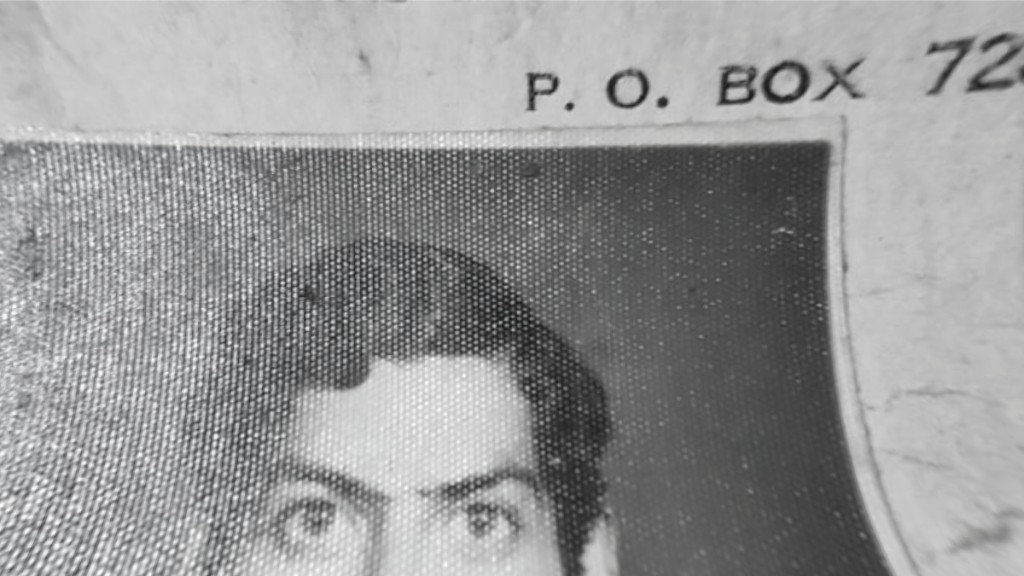
My paternal grandfather kept a paper-based family tree. He also kept a form of a journal which, if I recall, he had written in Urdu; a language I scored an A in at GCSE but cannot read, speak, or write nearly as well as I can in English. There’s a chance he may have also written some of it in Punjabi, which is my mother tongue, yes, but I have no proficiency beyond understanding the most basic version of it when spoken. Between just two generations, how we communicate or attempt to record history has changed, entirely.
I’ll be the first to admit that I am no historian. I studied the subject at school with some interest. I found the age-old stories about early civilizations mildly interesting. Whether you believe there is any use in archiving our lives for future generations to review is dependent on your outlook on the future. However, if you do decide that this is an endeavor worthy of your attention, there are a few challenges to think about:
- Where we store information is split across too many products/services. This is solved to some degree if you are subscribed to one ecosystem. Yet, products/services in one ecosystem can become unsupported or superseded by some new product/service.
- Service providers may not be incentivized to make the account continuation process available or fast (e.g., Facebook has a memorialize feature. Twitter does not.) This is because a request to change ownership of an account can be abused by bad actors trying to gain unlawful access.
- The abundance of storage means we are lazier than ever about organizing. I’m not that old, but even I have bought a <1GB USB stick for ~£20 back in the day. When storage was more expensive, you had to be more diligent with what you stored, thereby forcing you to stay more organized.
- Free services can become paid, or access can become time-bound, unexpectedly.
- Operating systems can intentionally or unintentionally make local devices become obsolete. Replacement hardware is difficult to source if something breaks down due to wear and tear.
- There are new kinds of interactions or data that may be of significance later but that we do not recognize as valuable in the present (this is extra tricky if these interactions or data exist in private or centralized systems). For example, sorting by oldest to newest, there is an email written by my late father detailing the health of his father. I was too young to remember meeting my grandfather at all.
- Those inheriting your profiles or accounts could be non-tech-savvy.
- If AI becomes the default layer between service providers and the account holder, are we still the ones in control?
- (Okay, this one is super dystopian, but…) What happens if the internet stops working one day? Can you print your profile in preparation? Do you even have a printer?
Despite all these challenges, I am optimistic that if we put our minds to it, we can use technology to stitch our lives into the fabric of time.
I know that I'll keep trying.
Until next time,
Riz